
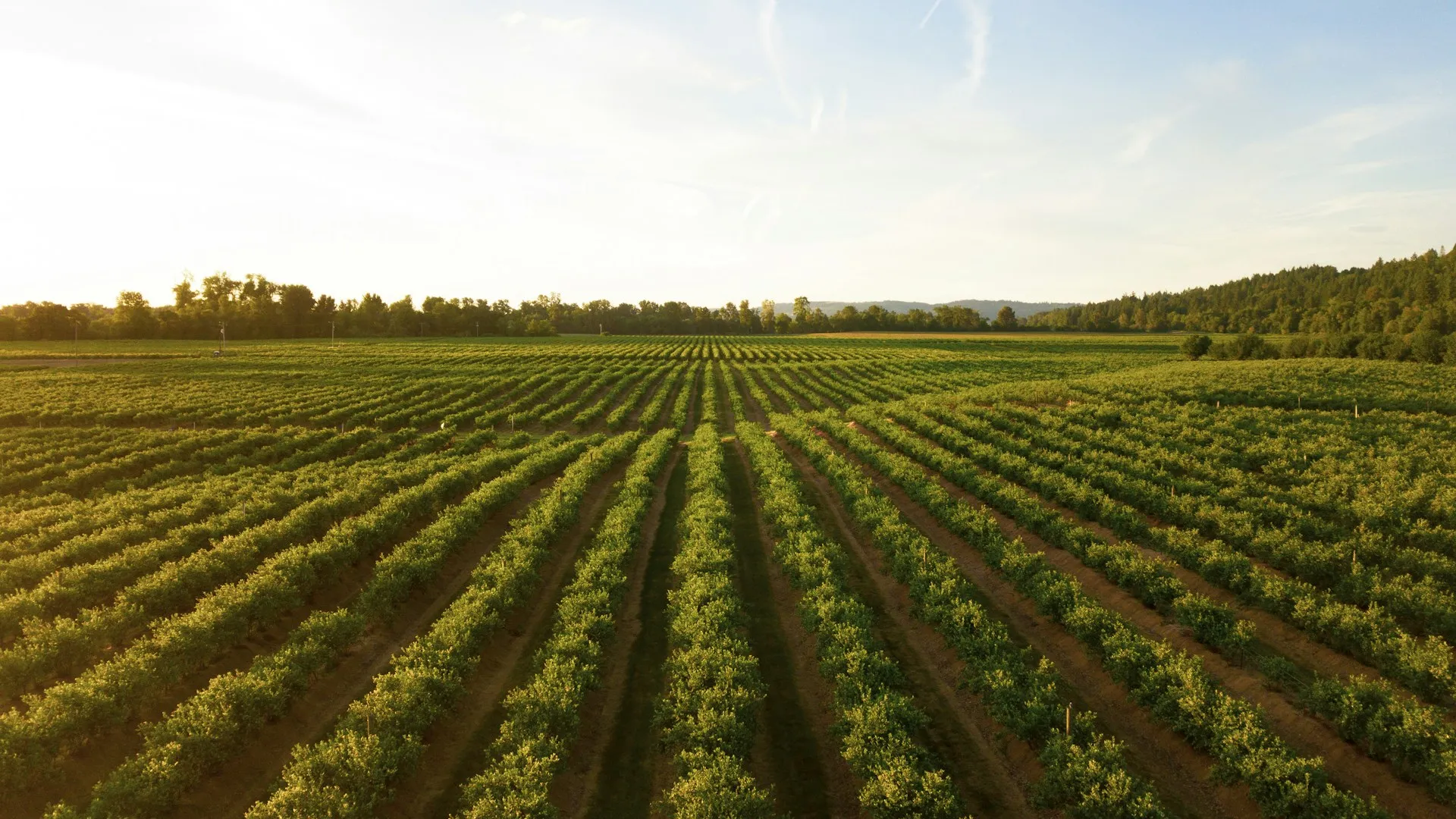
A farm where every decision gets backed by real-time data, resources get used with precision, and crop yields go up without guessing. Most farmers struggle with outdated systems that can't handle modern agricultural challenges. This leads to wasted resources and missed opportunities that cut into profits.
The solution available is agriculture custom software development to develop unique technology that supports the unique farming needs. This article demonstrates how off-the-shelf agricultural software is changing the standard farming method to a data-driven innovative method. You are going to learn practical methods of increasing productivity and profitability using software explicitly designed to work with your farm.
Understanding Agriculture Custom Software Development
Development of agriculture custom software is specialized digital software that is developed to handle those challenges that generic software has failed to handle which are specific to particular farming activities. These proprietary systems fit your specific requirements keeping in mind aspects such as field size, type of crop, climate, and business objectives, with software designed to meet the needs of your farm exactly, i.e., livestock management, soil monitoring, equipment monitoring, and optimizing irrigation.
Custom software development for agriculture industry is a different game now with the development in cloud computing, mobile technology, and connectivity. Contemporary solutions operate in isolated locations that have low internet access. They could synchronize data between a number of devices and could be expanded as your operations increase. The developers in collaboration with the experts in the agricultural area get to know the real pain points. They develop user-friendly interfaces that are easily navigated without a lot of training even by non-technical farm workers.
What Agriculture Custom Software Development Means for the Agriculture Industry
The custom software is the first step in transforming the process of technological adaptation of farms to technological one into technological adaptation of farms. This is done to ensure that solutions apply to the realities of operations and not to make you alter the way you carry out your operations.
Each farm is also different and various crops, climates, soils, and resources will require different needs for the generic software. Bespoke solutions are highly compatible with the available workflows that introduce new digital features, which ease the work and enhance adoption. Such an individualized solution saves time on training, maximizes technology ROI and empowers the workers, as it reflects their everyday processes, making the digital transformation of the entire operation smoother and more successful.
Core Components of Custom Software Development for Agriculture Industry
Agricultural software is effective, as it is developed with the capability of data gathering, analysis, automation, and communication. These elements cooperate to ensure the effectiveness of decision-making and operational effectiveness at all levels of your farm.
Essential components include:
-
Live monitoring boards that show the crop health, weather status and equipment status.
-
Automated irrigation alert, pest detection and maintenance schedules.
-
Engineers who identify trends and deliver action-oriented information.
-
Mob apps enable field employees to access information and update records in real time.
-
APIs that join software with the IoT sensors, drones, and machines.
-
Reporting software will automatically create documents of compliance and performance indicators.
Role of Custom Software in Smart Agriculture Solutions
Custom software serves as the central nervous system of smart farming operations. It connects sensors, machinery, and people to facilitate coordinated, intelligent agricultural management and optimization across your entire property.
These systems collect vast amounts of data from multiple sources. Soil sensors, weather stations, drones, satellites, and farm equipment all feed information into one centralized platform. The software processes this information to provide actionable recommendations. It transforms raw data into meaningful insights that guide planting schedules, fertilizer application, pest management, and harvest timing. You get clear visualizations and forecasts that remove guesswork from farming decisions.
Smart agriculture depends on seamless information flow between different components of your operation. Custom agricultural software development creates these vital connections. Tractors communicate with irrigation systems. Storage facilities sync with market demand data. Field conditions influence supply chain decisions automatically. This integration facilitates precision agriculture where every input gets optimized for maximum output with minimum waste.
How Custom Agricultural Software Improves Agricultural Operations
Custom software also removes inefficiencies through automation of routine tasks as well as having immediate access to vital information. The farm managers use less time on paperwork and more time in making strategic decisions and the workers get task specific orders depending on the prevailing conditions. Predictive maintenance and routing optimization enhance equipment use, and less fuel and machine hours are used.
The software also provides accountability and traceability of all operations which helps in quality assurance, regulatory compliance and continuous improvement. Trends and patterns are highlighted in historical data, and therefore, it makes evidence-based planning and accommodation to changing conditions instead of basing on hunches.
Impact of Agriculture Technology Custom Software Developers on Data-Driven Agriculture
Grain agriculture with the assistance of custom software improves output by 15-30% on average. Simultaneously, it lowers the input expenses by applying water, fertilizers, and pesticides in specific measured quantities, according to the real requirements.
Agriculture technology custom software developers to transform data into usable information, enabling farmers to make evidence-based decisions, find out the areas that are not performing well, and spend resources where they will get maximum returns. This is a strategy that eliminates the risk to an acceptable level, maximizes profitability, and improves the sustainability of the environment by applying inputs accurately, ensuring the utilization of equipment, and recording practices that help to attain certifications and gain access to the best markets.
Types of Custom Agricultural Software Development Solutions
Development of custom software in the field of agriculture provides answers to the specific requirements of various agricultural processes, starting with individual functionality and continuing with a complex system. The providers of Agriculture technology custom software development solutions design systems that enhance productivity, facilitate decision-making on the basis of data, and permit farms to increase their operations without affecting their work process.
-
Single-purpose tools: These are tools that are tailored to a particular purpose, e.g. irrigation scheduling, soil surveying, or livestock tracking.
-
Complete applications: Can handle various parts of running a farm, including crop management, equipment tracking, and supply chain management.
-
Industry-specific solutions: The operations of dairy, grain, greenhouse or orchard receive software that is customized to their specific workflow.
-
Unified ecosystems: Ecosystems in crop monitoring, production planning and supply chain management talk to each other to increase operational efficiency.
-
Scalable and flexible solutions: Solutions are designed to be flexible to ensure they will keep up with the farm and support new technologies and scale.
These solutions will guarantee efficient operation of farms, effective use of data, and a workflow that is in step with the specific operation model of each farm, avoiding the tradeoffs of generic software.
Farm Management and Crop Monitoring Software Systems
These systems track field activities, monitor crop health, manage resources, and coordinate operations. You access everything through centralized platforms from office computers and mobile devices out in the field.
Crop monitoring features use satellite imagery, drone footage, and ground sensors together. They assess plant health, detect diseases early, and identify areas needing attention. Visual maps show field variability clearly. This facilitates targeted interventions rather than blanket treatments. Farmers spot problems before they become visible to the naked eye. This prevents losses and reduces chemical usage significantly.
Farm management components handle planning, task assignment, inventory tracking, and financial management. They maintain complete records of every field operation, input application, and harvest activity. This comprehensive documentation supports compliance requirements automatically. It provides data for analyzing profitability by field, crop variety, or management practice. You see exactly which practices deliver the best returns.
Supply Chain, Inventory, and Production Management Solutions
These are solutions that will streamline the post-harvest operations through monitoring of produce throughout the field to the buyer. They can control storage environments, logistics, and ensure the quality of goods across the whole chain of supply.
The systems of inventory and production management control the storage facilities and field processes in real time, record the amounts, place, and age of products, and integrate the work with the sales and distribution schedules. They predict yields, schedule planting, coordinate labor and equipment and interface with those of the buyers, to ensure that they have timely deliveries, minimize spoilage and maintain optimum stock levels effectively.
Technologies Used in Agriculture Custom Software Development
The present-day farm software combines IoT sensors with artificial intelligence, machine learning, cloud computing, and mobile technologies. These develop very strong, serviceable solutions that are stable even in demanding farm conditions.
Custom agriculture technology industry software developers select the technologies according to farm specifications, with regard to connectivity, weather and the level of skill of the user. The solutions combine edge computing, cloud solutions, and offline mobile applications to achieve reliable, practical and accessible operations in all environments. This will allow gathering data and making the necessary decisions in real-time, which will allow farmers to allocate resources optimally and increase the total productivity.
Use of IoT and Sensors in Agriculture Technology Solutions
IoT devices continuously monitor soil moisture, temperature, humidity, nutrient levels, and crop conditions. They provide real-time data that facilitates precise, responsive management of agricultural inputs and operations minute by minute.
Wireless sensor networks deployed across fields collect environmental and crop data at granular levels. Manual monitoring could never achieve this level of detail. This information flows automatically into software systems that analyze conditions. They trigger appropriate responses without human intervention. Irrigation systems activate when soil moisture drops below optimal levels. Climate control systems in greenhouses adjust automatically to maintain ideal growing conditions.
Equipment connectivity transforms machinery into data sources. Tractors and harvesters report location, fuel consumption, operating hours, and performance metrics. This telemetry supports predictive maintenance effectively. It prevents breakdowns during critical periods like harvest. It optimizes fleet utilization across your entire operation. Managers gain complete visibility into field operations without physically visiting each location every day.
AI, Machine Learning, and Analytics by Custom Agriculture Technology Industry Software Developers
Custom agriculture technology industry software developers are creating AI-driven software solutions that process historical and real-time data about a farm. Machine learning applications predict ideal planting times, yields, and infertility, and predict market patterns, which become more accurate with every growing season. It is also through the software that the institutional knowledge is recorded and thus maintaining the knowledge of the experienced farm operators.
These solutions include computer vision to interpret drone and satellite images to identify crop stress, pest damage, weed infestation and harvest readiness. Farmers can analyze vast territories more often without adding manpower through automated analysis, making it possible to implement agriculture processes on thousands of acres with data and make them scalable.
Benefits of Agriculture Custom Software Development
Agriculture custom software development provides quantifiable returns in productivity, profitability and sustainability. It offers competitive advantages, which could not be supported by any generic solution, to agricultural operations of any scale.
The return on investment becomes crystal clear within the first growing season. Farms operate more efficiently with fewer resources. Labor productivity increases as workers spend time on valuable activities. They're not stuck doing data collection and manual calculations anymore. Material costs drop through precise application based on actual needs. No more estimates or blanket treatments across entire fields that waste expensive inputs.
Key benefits include:
-
Increased productivity based on the optimum conditions of developing and timely interventions.
-
Low input prices due to the precision of water, fertilizers, and chemicals utilization.
-
Productivity in labor, with automated data gathering and responsive working procedures.
-
The quicker decision making supported by the overall and real time operational data.
-
Tracing obedience to the automation of documents.
-
HRSA- Risk management based on predictive analytics and early detection of problems.
-
Increased growth without a similar increase in the complexity of management.
Operational Efficiency and Resource Optimization in Agriculture
Bespoke software is used to remove unnecessary work, minimize errors and speed up operations, turning the operations of agriculture into not firefighting but management. Robots will save time in all spheres of work and enable the management to concentrate on strategic projects instead of solving daily crises.
Resource optimization also prolongs the life of equipment, minimizes waste and enhances sustainability. Accurate use of inputs, well-organized activities, and efficient irrigation plans reduce expenses, save water and increase the general efficiency without affecting the yield.
Long-Term Value of Custom Software Development for Agriculture Industry
Custom solutions evolve with your changing needs through updates and enhancements. They protect technology investments while guaranteeing farms maintain competitive advantages. Agriculture technology advances constantly. Market conditions change. Your software adapts right alongside your operation.
Generic software requires a complete replacement when your needs change or grow. Custom solutions adapt through incremental improvements instead. New features integrate seamlessly with existing functionality. They don't disrupt familiar workflows your team already knows. This flexibility future-proofs technology investments completely. You avoid costly replacements or significant retraining efforts every few years that hurt productivity.
The software becomes a strategic asset capturing operational knowledge and best practices digitally. New employees benefit from embedded expertise. This shortens learning curves dramatically for new hires. Your farm develops unique capabilities that competitors can't easily replicate. The software reflects years of refinement specific to your operation. That's a competitive advantage money can't buy.
Conclusion
Custom software development for agriculture aims at transforming the old type of farming to be data-driven and streamlined. It enhances productivity and lowers the costs and environmental impact at the same time. In-house applications offer the features required by each farm. There is no unwarranted complexity and coerced compromises that waste time and money.
The investments in technology yield through higher efficiency, a better decision making process and sustainable competitive advantages. To develop groundbreaking solutions to agriculture operations, knowing how agriculture custom software development helps farmers, you are now ready to change the way agriculture operates on your farm. Get technology that is designed with your needs in mind and not generic software that is designed to suit everyone.
Get your custom agriculture software consultation with Synergy-IT .