
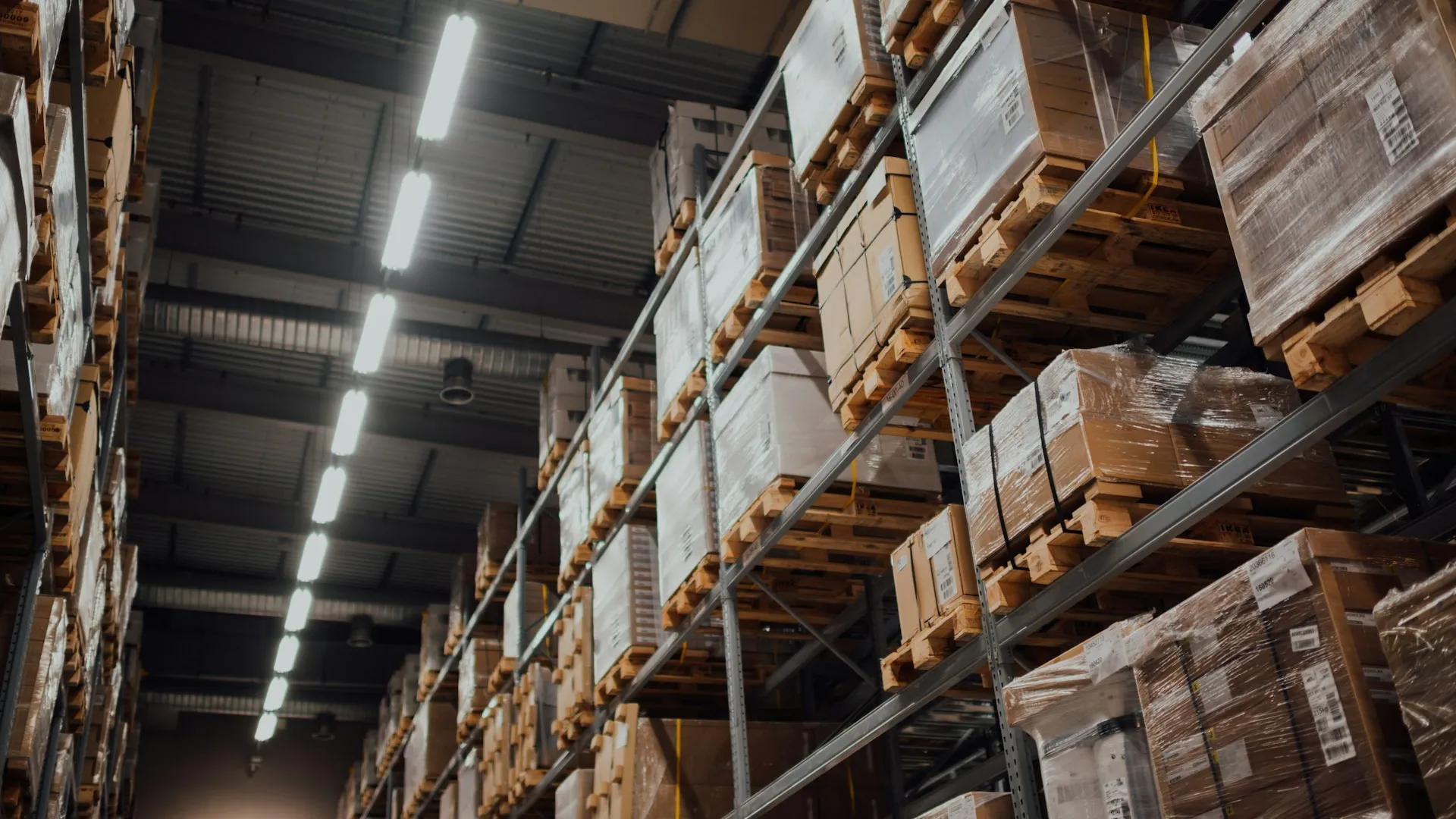
Your warehouse manager's got three screens open, manually punching numbers into Excel while five trucks sit outside with engines running. Last week, you lost $8,000 because inventory counts were off again. Customers keep calling about late deliveries, and your team's buried under so much paperwork they barely have time actually to ship anything.
Here's the thing - logistics software development stops all that chaos dead in its tracks. Trying to compete with spreadsheets and sticky notes? That's like bringing a knife to a gunfight. We're gonna walk you through exactly how proper tech transforms your operation from a daily disaster into something that actually makes money while you sleep.
What is Logistics Software Development?
Logistics software development means building actual digital systems that run your shipping, warehousing, inventory, and supply chain stuff without someone babysitting every single step. Think automation that works, real-time updates that matter, and everything talking to everything else like it should.
Remember when logistics meant three-ring binders, clipboards everywhere, and spending half your day on the phone tracking down one shipment? Those days are gone for companies that want to survive. Software gives you answers in seconds, catches problems while they're still small, and handles decisions automatically based on rules you set up once. Your drivers use their phones to navigate, warehouse workers scan stuff that updates instantly everywhere, and you see what's actually happening without calling six different people who all tell you something different.
Off-the-shelf software? That's someone else's idea of how logistics should work, which has zero to do with your operation. Your routes aren't their routes. Your customers aren't their customers. Your warehouse doesn't run like theirs. Custom logistics software development builds around how you actually operate instead of forcing square pegs into round holes. Costs more upfront, sure - but you'll save that back in three months from fewer mistakes alone.
Understanding Core Functions and Features
Core logistics software handles warehouse management, transportation planning, inventory tracking, order processing, and real-time shipment monitoring across your supply chain.
GPS tells you where each truck is right this second and when it'll actually arrive, not some made-up estimate. Routing algorithms crunch traffic data, weather patterns, and delivery windows to find the fastest path automatically. Stock numbers change the instant items move - no more counting and recounting and still being wrong. Integration means your suppliers see what you need, carriers get pickup info automatically, and customers track packages without bothering your staff. Dashboards turn boring spreadsheets into visual stuff that actually makes sense at a glance instead of giving you a headache.
Benefits for Businesses and Supply Chain Efficiency
Custom logistics software development cuts real money from your budget, gets stuff delivered on time, prevents the dreaded "we're out of stock" moment, and keeps customers from jumping ship to competitors.
-
Way lower costs because routes make sense and nobody's doing data entry for eight hours a day
-
Deliveries actually arrive when promised thanks to tracking that works and alerts before things go wrong.
-
Inventory that's actually accurate so you're not scrambling or sitting on excess stock eating warehouse space
-
Customers who don't hate you because they get real delivery windows and updates without calling five times
-
Decisions based on facts instead of Jim's gut feeling from 1987 that may or may not still apply
-
Growth without chaos - handle twice the volume without doubling your headcount or losing your mind.
Custom Software Development for Logistics
Tailored logistics management software development fixes your actual problems, works with whatever systems you've already got running, and grows exactly how your business grows.
Boxed software companies want you to change everything about how you work just to fit their product. They pile on features you'll never touch while completely missing the three critical things you asked about in the sales demo. Custom development means you're the boss - you decide what it does, how it looks, and who can access what. Developers shadow your team for a week, see where everything bogs down, and code solutions that actually help instead of creating new problems.
Spending extra money now pays off big when you're not fighting your own software every single day. You own it - no monthly fees forever, no "sorry, that feature's only in the premium tier" nonsense. Need changes? Make them when it matters to your business, not when some vendor's roadmap finally gets around to it. Security gets built for your specific regulations and risks instead of generic protection that checks boxes but misses real threats.
Why Tailored Solutions Are Essential for Modern Logistics
Modern logistics is complicated as hell, and generic software just creates new headaches while pretending to solve old ones.
Your customers have bizarre requirements that make perfect sense for your industry. Regulations change by state, by country, by product type. Workflows evolved over the years of figuring out what actually works in the real world. The generic software compels workarounds which are more time consuming than the previous method which is anti-purpose. There are no such things as compromises when it comes to custom software development for logistics - make what works in the operation specific to your business, period. Special shipments, global shipping regulations, refrigerated delivery, shipping hazmat - whatever you have a unique logistics requirement software that shapes around.
Key Features of Custom Logistics Software Development
Custom platforms incorporate real-time tracking, automated routing, inventory synchronization, predictive analytics, and seamless third-party integrations tailored specifically.
Machine learning watches thousands of deliveries and figures out patterns humans miss - then uses that knowledge to suggest better routes tomorrow. Dashboards show drivers what they need, warehouse managers what they need, and executives what they need without cluttering everyone's screen with irrelevant numbers. Mobile apps mean field crews access schedules, capture proof of delivery, and pull up customer notes without radioing dispatch every ten minutes. APIs sync your logistics platform with QuickBooks, Salesforce, and supplier portals automatically - no double entry, no copy-paste errors. Infrastructure handles Black Friday volume without crashing or slowing down when you need it most desperately.
How Logistics Management Software Development Optimizes Your Operations
Logistics management software development kills repetitive grunt work, shows you everything happening right now across your whole operation, and fixes problems before customers ever know they existed.
Automation processes orders, prints labels, sends updates - all the stuff that used to take half your staff's day every single day. Your people focus on relationships, strategy, putting out actual fires instead of shuffling papers nobody cares about. Real-time dashboards light up red when bottlenecks start forming, not three days later when you've got fifty angry calls. Alerts hit your phone the second a shipment's running late or inventory drops below reorder points without someone manually checking every hour.
Warehouse software, transportation tools, inventory systems - they all pull from one database so everyone sees identical info at the same time. No more calling three departments and getting three completely different answers about where one pallet is right now. Historical data shows seasonal spikes, efficiency patterns, and capacity crunches that help you plan smarter instead of reacting in panic. Maintenance alerts catch equipment issues early before your forklift dies mid-shift and shuts down the whole operation for two days.
Streamlining Operations with Management Tools
Management platforms integrate the order processing, warehouse operations, fleet management and reporting into a single system that removes silos.
One system implies that the training will not be three weeks but three days, since individuals will be trained to use a single interface rather than seven different programs that perform the same task differently. Tasks are automatically directed to workflows according to rules that you establish - no tasks or items are stagnating in the inbox of someone. Performance monitoring identifies those who are doing well and those who require assistance without the feeling that one is being monitored over their shoulders. Compliance will print out compliance forms on demand and maintain audit trails that make auditors delighted when they audit without having to search to have paperwork.
Expert Software Development Logistics Consulting to Maximize ROI
Software development logistics consulting brings in pros who've done this fifty times before to guide strategy, pick technology, plan rollout, and optimize everything so you don't waste six months and a hundred grand on something that doesn't work.
Your operation is monitored by consultants who identify inefficiencies, bottlenecks, and quick wins in the actual running of your operation, with no politics, sacred cows, or indeed, dishonest evaluation. They have witnessed successes and failures in implementations in all industries and thus you do not make the same mistakes that would have been apparent in hindsight. Technical tests align solutions to your actual budget and abilities rather than salespeople pushing any solutions that give the highest commission. Change management has the benefit of bringing your staff on board with the correct training and a gradual implementation rather than throwing a switch and playing a game of chance.
Implementation follows battle-tested methods that keep the business running smoothly during transition. We can't ship anything this week due to" disasters. Post-launch optimization tweaks settings based on actual usage patterns, not assumptions developers made six months ago. Logistics software development consulting prevents catastrophic failures that happen when companies try to wing major tech changes without expertise guiding them. ROI shows up faster when technology decisions align with business strategy from the start instead of trying to force fit later.
Expert Guidance for Effective Implementation
Consultants provide roadmap development, vendor selection assistance, integration planning, and change management support throughout your technology adoption journey.
Assessment phase documents how everything works now, what's broken, and what success looks like before anybody touches code. Vendor evaluation compares platforms against your requirements while calculating real five-year costs, not just the pretty price on the website. Implementation sequences everything to score quick wins early that prove value to skeptics before tackling harder stuff. Training makes sure everyone knows their role and feels confident instead of confused and resentful about changes nobody explained properly.
Logistics Software Development Solutions for Modern Businesses
Logistics software development solutions pack in AI that predicts what's coming, IoT sensors that monitor everything, blockchain for tracking you can actually trust, and cloud infrastructure that scales without buying servers that sit idle eleven months a year.
AI forecasts what you'll need next quarter based on patterns in years of data humans can't spot. IoT sensors watch temperature, humidity, shock, and location during transit and scream if something's wrong before products get ruined. Blockchain creates permanent who-touched-what-when records that regulators and customers both demand increasingly. Cloud platforms grow instantly when you get slammed with orders instead of choking because your server maxes out.
Mobile design puts everything on phones and tablets so people work from anywhere with cell service - no more running back to a desk terminal constantly. Voice commands let warehouse workers query stock and confirm picks without touching screens with dirty gloves. Augmented reality shows pickers exactly where items are by overlaying arrows onto their vision through smart glasses. This tech transforms basic shipping into intelligent systems that learn and improve themselves without constant human management.
Emerging Technologies Driving Smarter Logistics
Artificial intelligence, machine learning, Internet of Things devices, blockchain, and autonomous vehicles represent the future of intelligent logistics operations.
AI demand forecasting slashes carrying costs by predicting requirements with freaky accuracy that most experienced planners can't match. Machine learning constantly adjusts routes analyzing traffic, weather, and historical data - finds optimizations human dispatchers miss every time. IoT monitors truck health, cargo conditions, and warehouse environments automatically without technicians manually checking gauges. Blockchain builds transparent product journeys that customers can verify - simplifies recalls, builds trust fast. Autonomous trucks and delivery drones will flip last-mile economics upside down sooner than anyone's comfortable admitting.
Choosing the Right Software Solution for Your Business
Review the solutions in terms of scalability, integration, user experience, vendor support, and overall cost of ownership in line with objectives.
List all the pain points, desired results and all the things that must be absolutely required and then negotiate with the vendors, they are going to attempt to sell you anything that will recompense them the most. Show actual workflow as part of the demand, instead of generic presentations that they bring to the table in whichever industry.
Call references from companies like yours and ask uncomfortable questions about implementation nightmares and support quality when things break. Calculate five-year costs including licensing, implementation, training, maintenance, and upgrades - that base price is a third of what you'll actually spend. Pick vendors who've proven themselves in your industry and actively improve products instead of coasting on subscriptions.
FAQ
What is logistics software development? Logistics software development creates custom digital platforms that manage transportation, warehousing, inventory, and supply chain operations efficiently through automation and real-time visibility.
How does custom logistics software development differ from standard solutions? Custom software matches your specific workflows and integrates with existing systems perfectly. At the same time, boxed solutions force you to change successful processes just to fit their generic approach that works for nobody particularly well.
How long does custom logistics software development take? Expect three to twelve months depending on how complex your needs are, how many integrations you require, and how thoroughly you test before going live with real operations.
Why should I consider logistics consulting for software projects? Consultants bring experience from dozens of implementations so you avoid expensive mistakes, get ROI faster, ensure smooth rollout, and tap into best practices you'd never discover independently.
Conclusion
Custom Logistics software development turns chaotic supply chains into profit machines that scale without proportionally ballooning costs or headcount. Custom solutions tackle whatever weird challenges make your operation unique while AI and IoT drive improvements nobody needs to manage manually anymore. Smart consulting ensures your implementation actually delivers returns instead of becoming another expensive failed IT project everyone tries to forget about.
Now that you know how custom software revolutionizes logistics from a disaster zone into a competitive advantage, ready to stop bleeding money on inefficiency? Start your digital transformation with Synergy-IT today.